
Many buyers and denim lovers focus only on wash effects, overlooking that denim fabric itself sets the upper limit for every fading, handfeel and durability result. Yarn is the thread, but fabric construction — how those yarns interlace together — defines the character of the finished jeans. Same indigo ring-spun yarn, woven on different looms with different weave structures, will turn out completely differently after enzyme wash, hand brush, PP spray or ozone treatment.
Classic denim is a twill fabric. The most common is 3/1 right-hand twill, the standard for mainstream jeans. Besides that, there are left-hand twill, broken twill, crosshatch and other special constructions, each with unique fading behaviour and surface grain.
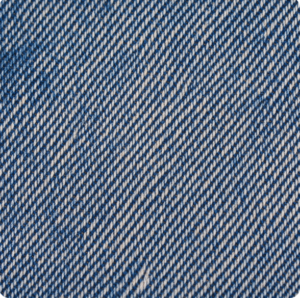
The most widely used denim weave. Diagonal ridges run upward to the right. It is stable, easy to weave, consistent during washing, and has balanced strength. The twill line is neat and clear. Best for: Basic jeans, stretch denim, commercial styles, all standard wash processes including enzyme wash, bleach wash and laser marking. Fading feature: Even, predictable whiskers and honeycombs. Less dramatic grain, safe for mass production.
Twill lines slope upward to the left. It has a softer, more relaxed handfeel out of the loom compared with right-hand twill. It twists less after washing and has a smoother surface. Best for: Soft vintage styles, relaxed fit jeans, mid-weight raw denim. Fading feature: Fades slower, with subtle, gentle contrast; preferred for worn-in casual vintage looks.
Also called broken twill denim. The twill direction reverses periodically, breaking the continuous diagonal line. This structure minimises fabric torque (twisting leg phenomenon after wash) significantly. Best for: Heavyweight raw denim, selvedge jeans, workwear styles where twisted legs are not acceptable. Fading feature: Unique irregular grain, mottled natural fade without straight twill lines.
A premium special weave that creates an obvious cross / X grain across the fabric face. It is iconic for heritage denim. Crosshatch relies on alternating weave points and usually uses ring-spun slub yarn to amplify texture. Best for: High-end vintage, collector raw denim, heavy workwear. Fading feature: The cross grain shows through clearly after fading; whiskers and honeycombs follow the X lines, very recognisable premium look.
Less common. Yarns interlace one over one. Tighter structure, stiffer, very resistant to tearing. Usually lighter weight. Best for: Light shirt denim, jacket fabric. Limitation: Hard to develop deep high-contrast fading, not suitable for heavy monkey wash or sandblast.
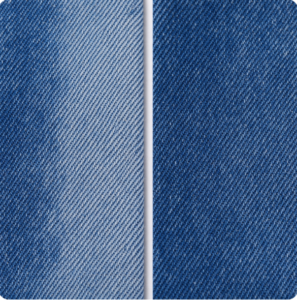
Ounce means weight per square yard of fabric, it is the easiest reference for style positioning:
Important note: Same ounce can feel different! Slub yarn, ring spun vs OE, tightness of weave all change handfeel even with identical oz.
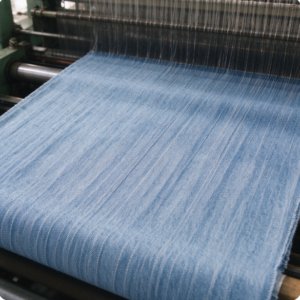
Woven on narrow shuttle looms. The woven edge (selvage) has a distinctive coloured yarn line. Fabric width is narrow, output slow, cost higher. The weave is tighter, with more consistent tension. Pros: Less fraying along edges, premium aesthetic, great fading, collectible value. Cons: Narrow width limits pattern layout, higher cost, longer lead time.
Woven on wide projectile looms. Wide fabric roll, high production speed, lower cost. This is the bulk fabric for mainstream fashion denim. Pros: Cost-efficient, wide roll for higher cutting yield, available in stretch, light, medium and heavy weights. Cons: Cut edges fray easily unless overlocked; generally for commercial lines.
Stretch denim uses core-spun spandex yarn, usually weft-wise stretch (most common). Some styles are 2-way stretch (warp + weft).
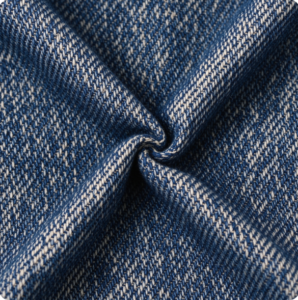
A loosely woven denim is open, soft, easier to abrade and develops bold contrast fading. But it is weaker, prone to seam slippage, and may distort after washing. A tight, high-density denim is sturdy, dimensionally stable, less distortion, resists tearing. But it is harder to get bright PP spray / sandblast marks; you need longer wash time or stronger formulation.
This is a common pitfall: customers ask for heavy monkey wash on a very tight high-density fabric, then complain the effect is not strong enough.
More and more orders require eco denim fabrics: recycled cotton denim, Tencel™ lyocell blend denim, hemp cotton blend, low impact indigo dyed fabric, waterless laser processed fabric. Tencel blend denim brings extra softness, drapes well, ideal for ladies styles. Hemp blend has natural anti-odour property and rustic texture. These sustainable fabrics have special limits on wash auxiliaries.
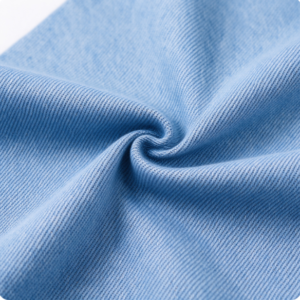
Yarn is the raw material, but fabric construction is the skeleton of denim. Weave type, ounce weight, loom type, density and stretch content together decide what wash effects you can achieve. Before confirming wash development, reviewing the fabric specs first will save you countless sampling delays, unexpected distortion and rejected prototypes. Great jeans start with the right denim fabric.